


Culemborg werkt aan haar toekomst en een onderdeel daarvan is de ontwikkeling van de stationsomgeving. In opdracht van de gemeente Culemborg maakten wij met Flux een masterplan dat gezicht geeft aan de ambities op het gebied van wonen, mobiliteit, duurzaamheid, klimaat, economie, werkgelegenheid en onderwijs die zijn vastgelegd in de structuurvisie Stationsomgeving. Het is een ambitieus maar tegelijkertijd haalbaar en realistisch plan geworden dat ook nog flexibel is zodat deelontwikkelingen in de loop der tijd verder uitgewerkt kunnen worden.
In het masterplan komen alle ambities en kansen samen zodat het huidige bedrijventerrein Pavijen na de transformatie een duurzame wijk is waar de inwoners van Culemborg een passende woning kunnen vinden en gezond en prettig kunnen wonen en werken. Onderstaande punten zijn de essentie van de Stationsomgeving.

Een ommetje maken is prettig voor een frisse neus, een leeg hoofd en een praatje. De autoluwe, groene Stationsomgeving krijgt een open structuur waardoor je wandelend je weg vindt. Het station wordt een aantrekkelijke plek waar Culemborgers, forensen, scholieren en recreanten elkaar treffen en hun weg vinden. Niet alleen op de perrons, maar ook in de onderdoorgang die west met oost verbindt. Dat legt de basis voor een sociale wijk waarin mensen zelf- én samenredzaam kunnen zijn.
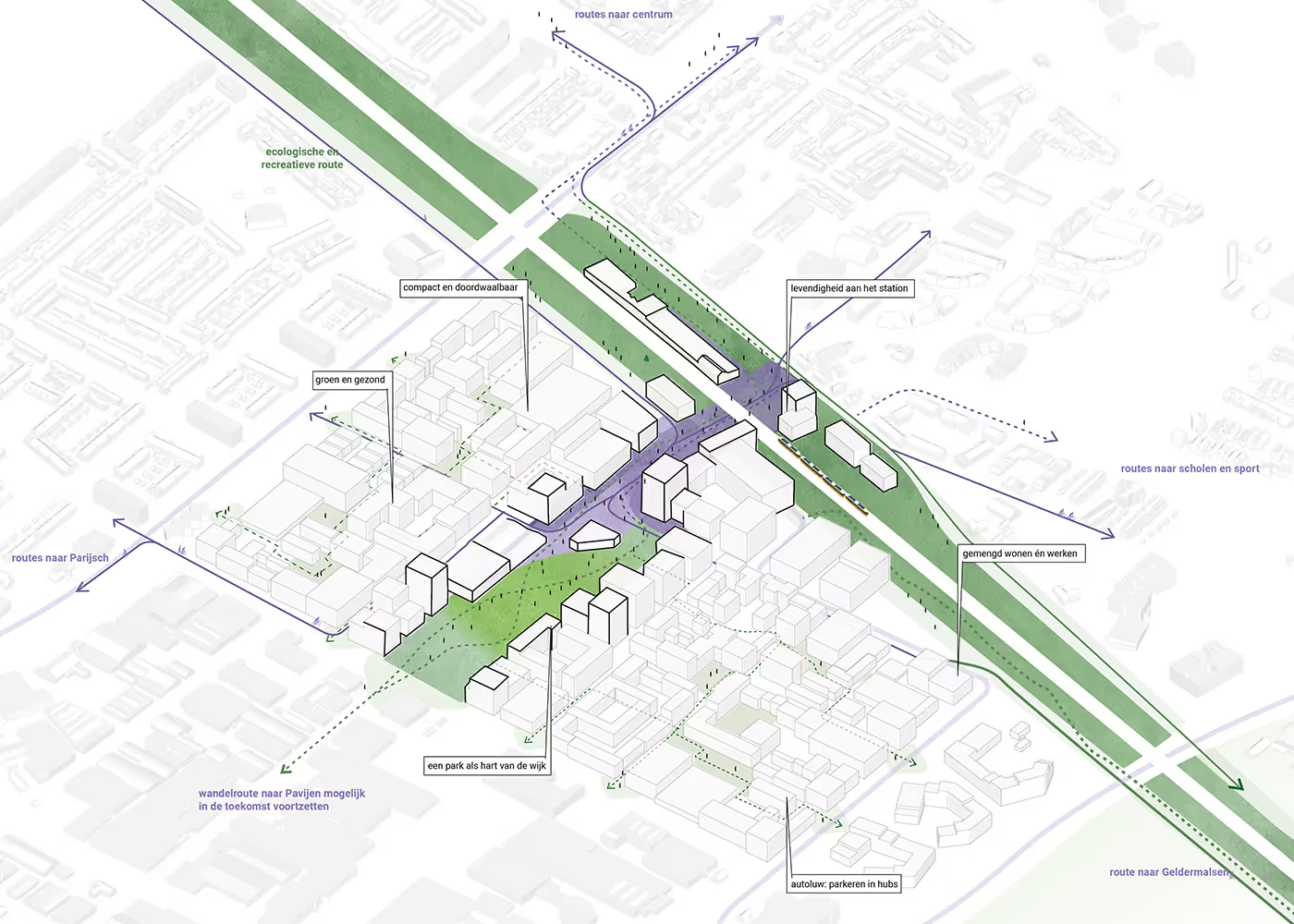
De voetganger en fietser hebben voorrang. Auto’s staan geparkeerd in hubs en hoeven dus minder ver de wijk in. Bewoners en werknemers wandelen of fietsen tussen bestemming en auto (of station) met als resultaat: meer leven op straat! Dankzij verdichting met ruimte voor wonen en werken ontstaat een gevarieerde, levendige stadswijk. Zo blijft de stad bereikbaar voor iedereen. De wijk krijgt een stedelijk en stoer tintje en biedt een aantrekkelijk vestigingsklimaat voor nieuwe bedrijven.

Mede dankzij het parkeren in hubs is er alle ruimte voor groen met de wortels in de volle grond. Groen biedt schaduw, een hogere luchtvochtigheid, verkoeling en schone lucht. Dat is goed voor de biodiversiteit, de gezondheid en een bewezen voorwaarde voor geluk. Een stadspark wordt het hart van de Stationsomgeving. Een nieuwe Culemborgse plek voor iedereen om elkaar te ontmoeten, te bewegen of een evenement te bezoeken.

Verdichting zorgt zowel voor een betere fysieke bereikbaarheid als voor een optimale woningmix (30% sociaal, 30% duur en 40% middelduur) die voor tachtig procent uit appartementen bestaat. Dat sluit het beste aan bij de woningbehoefte in Culemborg waar veel starters, ouderen en emptynesters een woning zoeken. Ook blijft zo extra ruimte over voor groen; van 14% nu naar 58% groen straks.

De Stationsomgeving wordt een gemengde buurt met appartementen, stadswoningen en bedrijfsgebouwen die naast elkaar staan in half open bouwblokken waar je doorheen kan lopen. De menselijke maat staat centraal en buren kennen elkaar. Ze treffen elkaar op de groene pleintjes en bij de buurtvoorzieningen op de begane grond van de hub. Om ‘samenleefkracht’ te bereiken, moet de buurt niet alleen fysiek, maar ook sociaal ontwikkelen. Daarom ondersteunen en stimuleren we een sterk sociaal netwerk op buurt-, blok- en gebouwniveau.

Klimaatverandering, warmtetransitie en netcongestie… Allemaal actuele thema’s die vragen om een integrale visie op het energievraagstuk voor de nieuwe wijk. We hebben een antwoord gevonden in een zelfvoorzienend vijfde generatie warmtenet dat niet wordt aangesloten op gangbare structuren. Er komt slimme energie-uitwisseling van wonen en bedrijvigheid waarbij de parkeerhubs een belangrijke rol spelen. Onder de hub komt namelijk warmte- en koudeopslag. Bovendien zitten er zonnepanelen op het dak. Zo wordt de hub als het ware een buurtbatterij.
